
Body Condition
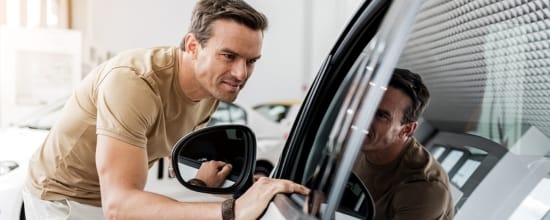
Look for rust, dents, and scratches. Rust in wheel wells and undercarriage is a concern. Check paint for unevenness or mismatches, which may mean prior repairs. Ensure panel alignment; misaligned panels could signal accident damage.
Tires and Wheels
Examine tire tread depth. Worn tires affect safety. Check for uneven wear, hinting at alignment or suspension issues. Inspect wheels for damage or curb rash.
Windshield and Windows
Check for cracks or chips in the windshield. Small ones can be fixed; large ones may need replacement. Ensure windows roll up and down smoothly and quietly.

Seats and Upholstery
Look for stains, tears, or excessive wear on seats. Check seat adjustments. Inspect carpets for stains or damage.
Dashboard and Controls
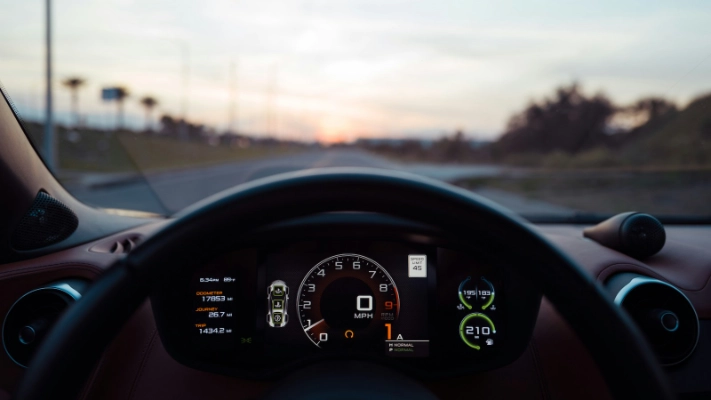
Verify dashboard gauges and lights work. Test radio, climate control, and other controls. Look for dashboard damage or wear.
Interior Cleanliness
A clean interior is a good sign. Check for odors like smoke or mold.

Oil and Fluids
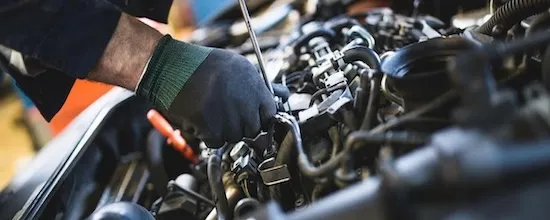
Check oil level and condition. Dirty or low oil may indicate neglect. Inspect other fluids. Look for leaks.
Belts and Hoses
Check their condition. Worn ones can lead to breakdowns. Ensure proper attachment.
Engine Compartment Cleanliness
A clean compartment suggests regular maintenance. Look for rust or corrosion.
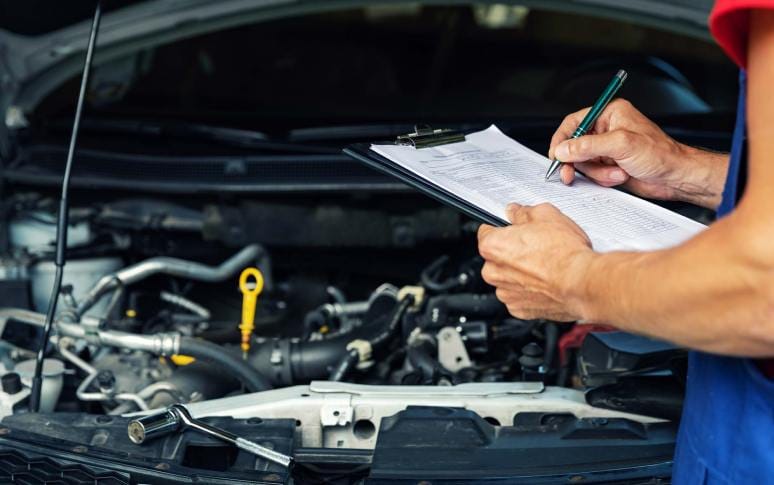
Suspension
Inspect for wear or damage. Look for leaks in shocks or struts. Check for uneven tire wear.
Exhaust System
Check the pipe for rust or damage. Listen for unusual noises. Ensure proper attachment.
Underbody Rust
Look for rust on the underbody, especially on the frame and fuel tank.
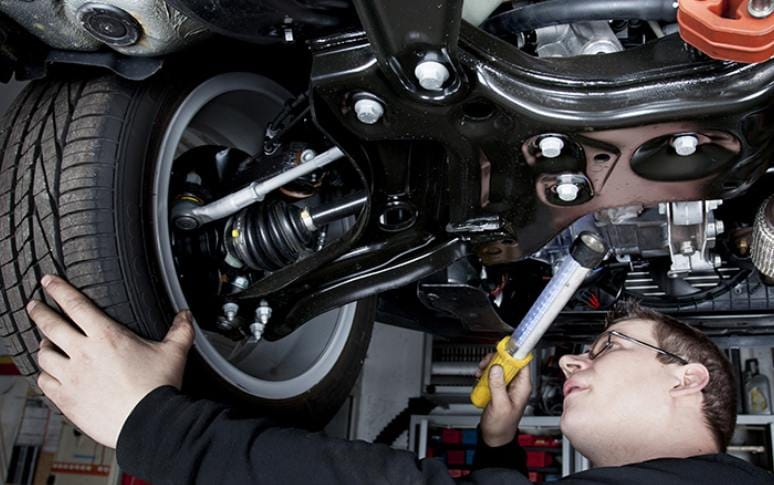
Acceleration and Braking
Test acceleration for smooth response. Check brakes for power. Look for vibrations or noises.
Steering and Handling
Test steering for responsiveness. Check for pulling or play. Assess handling on different surfaces.
Transmission
Shift smoothly and listen for grinding or hesitation. Check for leaks.

Lights and Signals
Ensure all lights, including headlights, taillights, brake lights, and turn signals, are working properly. Faulty lights can be a safety hazard and may lead to tickets.
Electrical Accessories
Test power windows, locks, and mirrors. Check the stereo and any other electrical accessories for proper functioning.
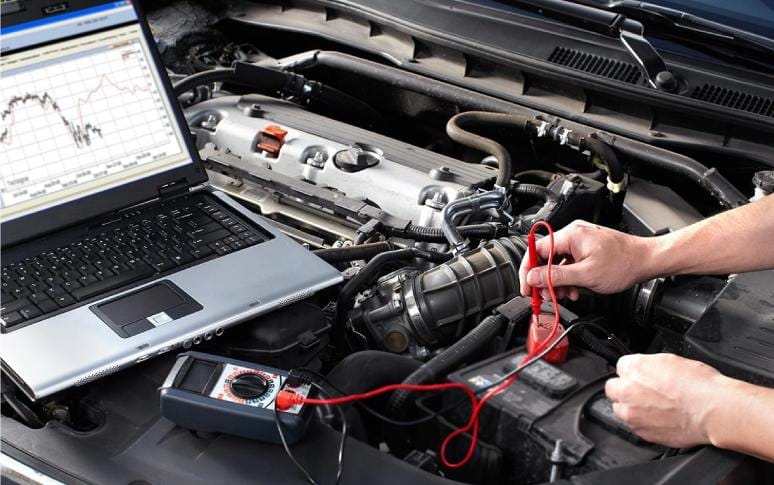
Service Records
Request and review for maintenance history. Look for regular tasks.
Title and Registration
Ensure clean title and up-to-date registration.
VIN Check
Verify car history for accidents or recalls.
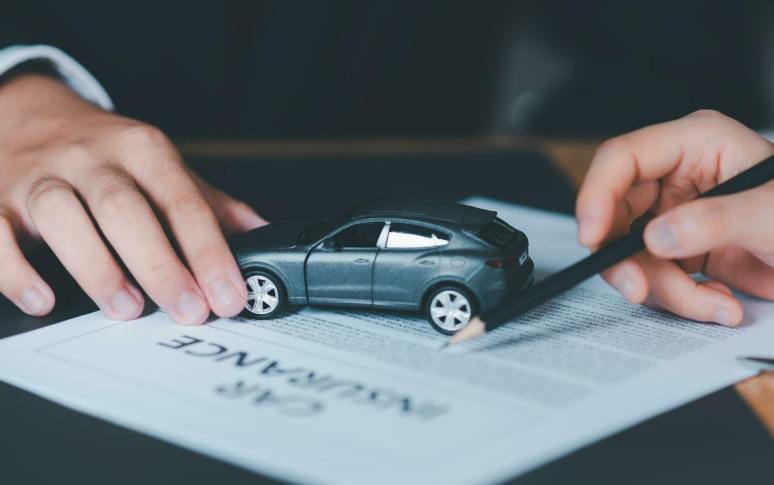
Thorough inspection is key to a good used car purchase. Follow these tips and checklist. Take time, ask questions, and consider a mechanic's inspection. With care, you can enjoy trouble-free driving.

Was this page helpful? Give us a thumbs up!